To Earn Something, and to Deserve It
Rewatching Falcon and the Winter Soldier, I kept coming back to John Walker and the shield.
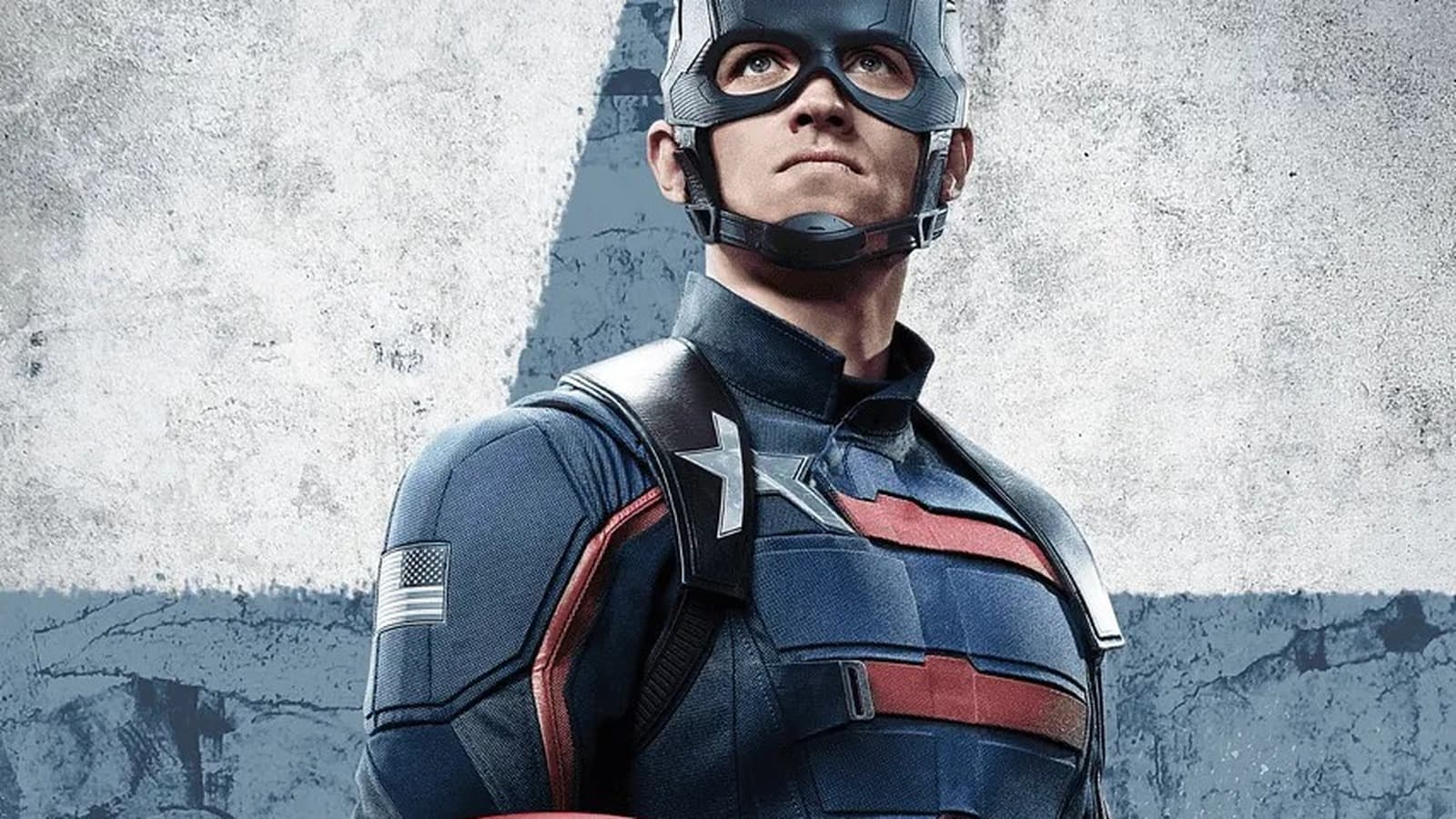
Rewatching The Falcon and the Winter Soldier, I kept coming back to John Walker and the shield. Not because his story is especially subtle on its surface, but because it raises a question I think we usually avoid by pretending two words mean the same thing: what does it actually mean to earn something, and what does it mean to deserve it?
We use those words interchangeably all the time. Someone works hard, sacrifices, performs well, and we say they deserve whatever comes next because they earned it. That logic makes sense in a lot of places. Earning usually means satisfying some recognizable set of conditions. You contribute enough, achieve enough, endure enough, and a legitimate claim begins to form. There is a structure to it. Effort leads somewhere. Achievement counts for something.
Deserving is harder to measure because it asks a broader question about whether possession itself is fitting. It considers what the thing is, what responsibilities come with it, and what will happen once it belongs to you. This matters most when the thing being given carries authority, trust, or symbolic weight, because those things affect more than the person receiving them.
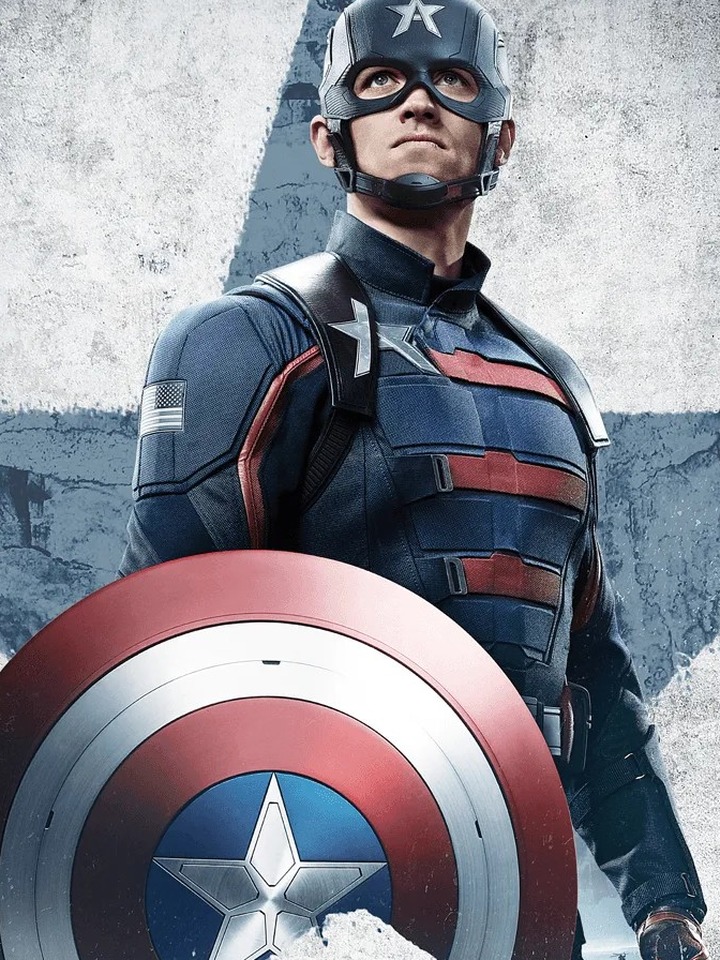
John Walker holding Captain America’s shield.
John Walker had earned an extraordinary amount. He was a decorated soldier with three Medals of Honor, combat experience, leadership experience, and a record that made him exactly the kind of person an institution would want to promote. The government did not make an irrational choice when it selected him. It looked at the evidence it knew how to measure and found someone exceptional.
Steve Rogers would have failed that process.
Before the serum, Steve had no medals, no combat record, and almost no physical qualifications. There were stronger and more experienced men around him. Erskine chose Steve because he believed Steve was a good man. That choice had very little to do with what Steve had accomplished. It was a judgment about what power would become once it entered his life.

Pre-serum Steve Rogers covering a grenade.
The grenade scene in The First Avenger makes this clear. Steve throws himself over what he believes is a live grenade without knowing that anyone will reward him. He is not performing goodness as part of an exchange. His instinct under pressure reveals something that a résumé could never capture. Erskine sees that giving Steve more power would expand a moral character that already existed.
Walker’s problem is not that his accomplishments were fake. His service mattered, and his courage mattered. The mistake was assuming that those achievements settled every other question. A person can earn recognition without proving that they are suited to every form of responsibility that may follow from it.
The shield gradually exposes that gap in Walker. He becomes deeply affected by whether other people recognize his authority. His loss to the Dora Milaje is especially revealing. When he says, “They weren’t even super soldiers,” the line feels less like an observation about combat and more like a crisis in his understanding of himself. The title has become part of how he measures his own worth. Losing threatens more than his pride because the role is now helping define who he believes he is.
This is where the idea reaches beyond Marvel. Modern life is very good at measuring what people earn. We track grades, promotions, followers, awards, votes, salaries, and years of experience. Those systems are useful because they make achievement visible, but they can also make us think that achievement in one area automatically proves fitness in another. Someone can be excellent at a job and still be a poor leader. Someone can build something successful and still exercise authority badly. Someone can win a position without having the judgment the position requires.
That is why earning and deserving both matter. Earning protects us from arbitrary reward. It recognizes effort, sacrifice, and competence. Deserving forces us to ask whether the reward itself demands qualities that achievement alone cannot prove.
Steve Rogers was chosen before he had built the record that would later justify everyone’s faith in him. John Walker arrived with the record already complete. What separates them is the question underneath the shield: what does power reveal once it is placed in your hands?
I keep coming back to that because it does not stay inside the show. Most of us are trained to treat the résumé as the moral argument. Put in the work, clear the checklist, collect the credentials, and the next title should feel settled. Sometimes it is. A lot of ordinary jobs really do work that way. But the things that matter most, the roles that ask other people to trust you with something they cannot easily take back, do not end at the handover. They start there. The credential gets you into the room. What happens next is whether you can live inside the meaning of the thing without needing it to complete you.
Rewatching Walker this time, I felt less interest in hating him and more interest in recognizing the trap. He did what the system told him excellence looked like. Then the shield asked a different question, one his medals were never designed to answer. That gap is familiar in smaller ways. You can earn the internship and still not be ready for the responsibility. You can earn the platform and still use it badly. You can earn someone’s trust and still discover, under pressure, that you wanted the status of being trusted more than you wanted the work of deserving it. The uncomfortable part is that none of those failures require you to be a villain. They only require you to confuse payment history with fitness.
Maybe that is the harder question after we finally earn something. Not whether we did enough to receive it, but whether we have become the kind of person who can hold it well. The first question flatters us. The second one stays with you after the ceremony ends.
Further reading
The Falcon and the Winter Soldier (Disney+). For the selection logic, Captain America: The First Avenger. Promotional stills: Marvel Studios / Disney+ (Walker with the shield); The First Avenger grenade training still.